
Sega’s Rovio Deal Shows the Risk of Buying Mobile Expertise
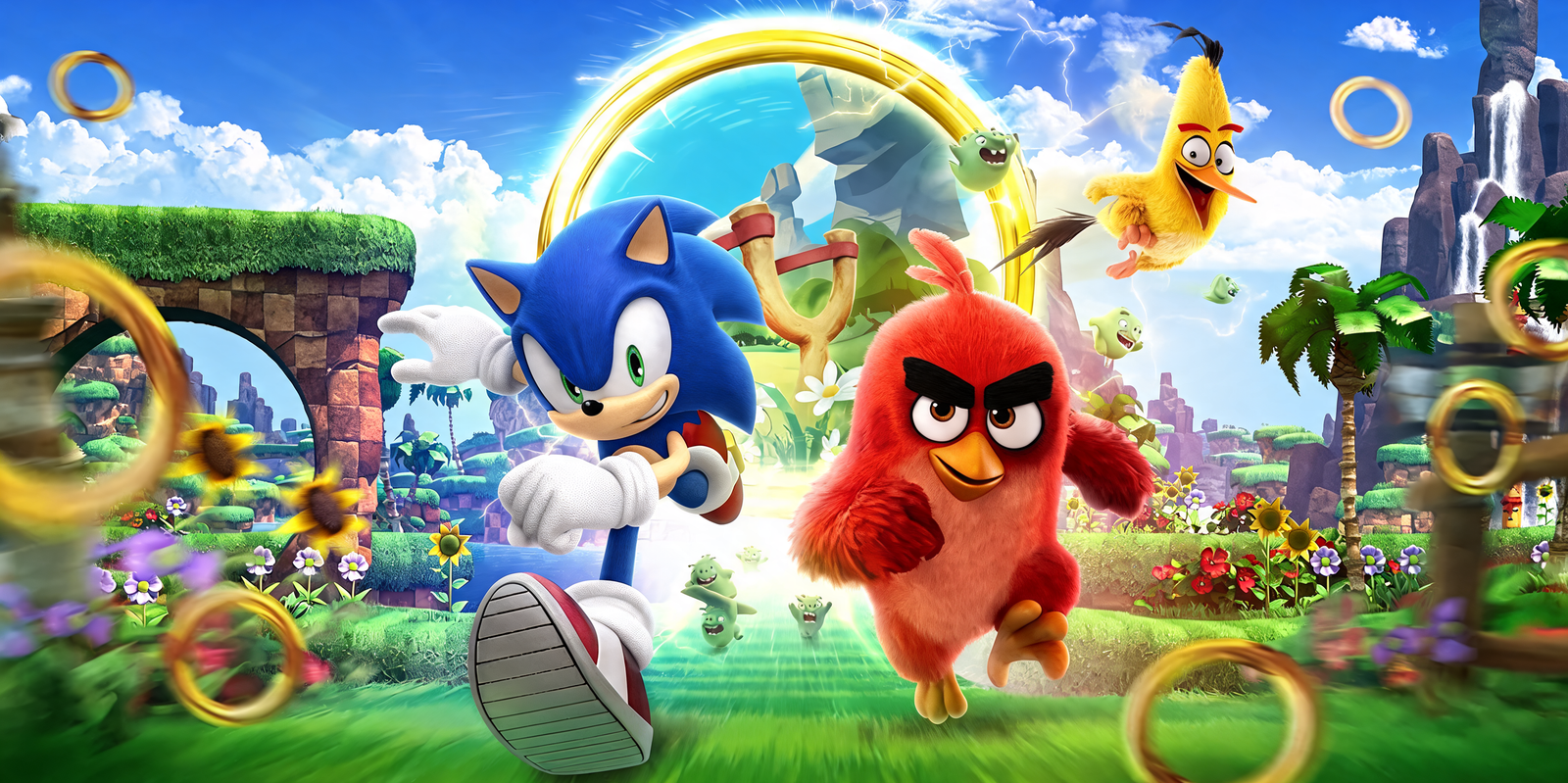
Sega’s $776 million acquisition of Rovio was supposed to give the company a stronger position in mobile gaming, backed by the global recognition of Angry Birds and Rovio’s live-ops technology. Less than three years later, the deal is looking far less convincing.
The key problem is not that Angry Birds has no value. The brand is still recognizable, and Rovio remains an experienced mobile developer. The issue is that Sega appears to have overestimated how easily Rovio’s tools, audience strategy and operational knowledge could be absorbed into its wider business.
According to the report, one major disappointment was Rovio’s Beacon platform. Sega expected the technology to support its own live mobile titles, but integration proved harder than planned. Mobile games depend heavily on user acquisition, monetization tuning, retention data and fast operational decisions. Those systems do not always transfer cleanly from one company culture to another.
The wider market also moved against Sega’s expectations. Mobile user acquisition has become more expensive, competition has intensified, and older franchises cannot rely on name recognition alone. Rovio’s revenue reportedly dropped sharply, while Angry Birds 2 has reached a weaker stage of its life cycle.
Sega has already recognized a major impairment loss connected to Rovio, effectively admitting that the acquisition has not delivered the expected return. The company is now leaning more toward brand extension, licensing, cross-promotion, China expansion and The Angry Birds Movie 3 rather than a quick mobile turnaround.
The lesson is blunt: buying a famous mobile studio is not the same as buying guaranteed mobile growth. Sega acquired strong assets, but the hard part was always execution - and so far, that execution has fallen short.