
Life is Strange: Reunion Brings Max and Chloe Back for an Emotional Final Chapter
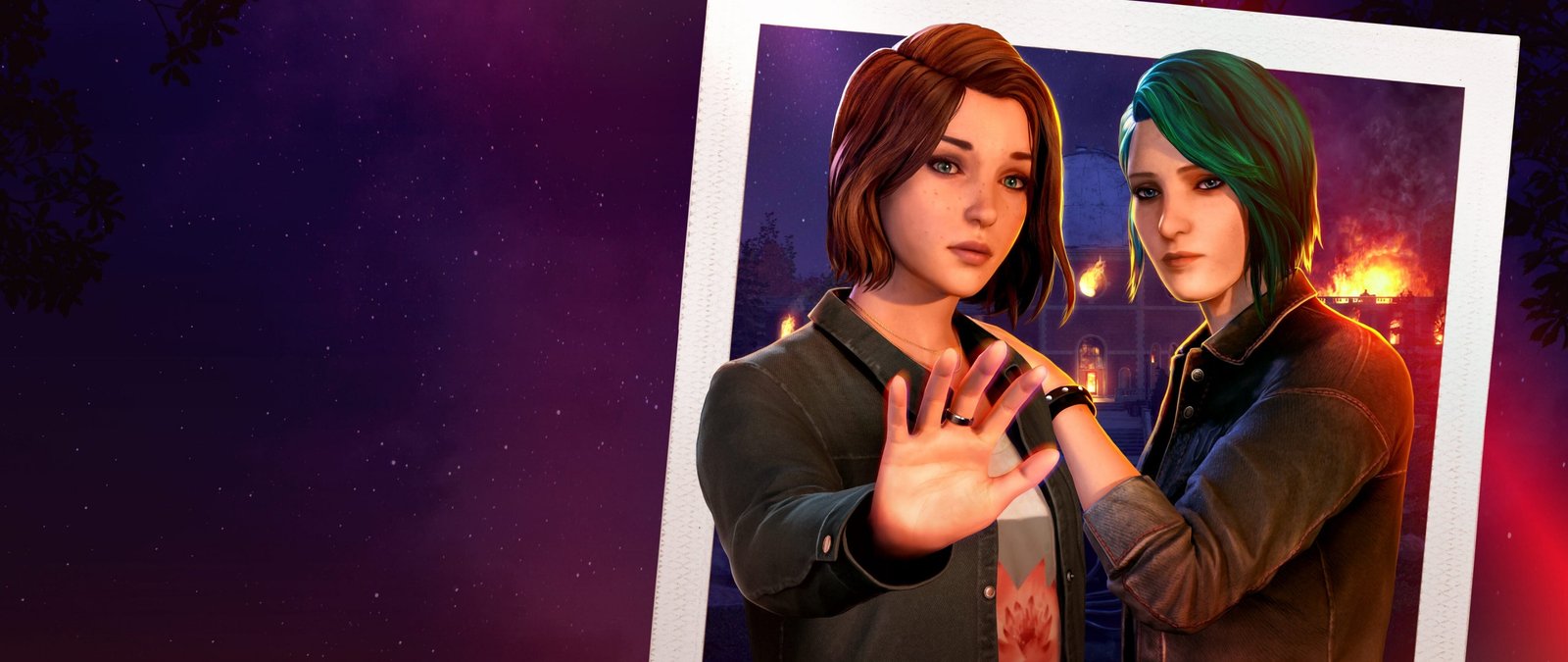
Developed by Deck Nine and published by Square Enix, the new entry continues directly from Life is Strange: Double Exposure and places Max and Chloe at the center of the story once again. This time, the two characters return as playable protagonists, giving the game a dual-perspective structure that lets players experience the story through both of them.
The story follows a new crisis at Caledon University, where Max is forced to confront another disaster tied to her ability to manipulate time. Chloe’s return adds another emotional layer, as she carries memories and trauma connected to events she did not personally live through. Together, the two must navigate a mystery shaped by fire, loss, alternate outcomes, and the cost of trying to repair what should not be touched.
Gameplay keeps the series’ familiar choice-driven adventure style, but adds more variety through the two protagonists. Max once again uses her time-bending power to rewind events and investigate alternate possibilities, while Chloe brings her confrontational Backtalk ability into conversations and restricted situations. The result gives players different tools for solving problems, pushing through tense encounters, and shaping the direction of the story.
Unlike earlier episodic releases in the franchise, Life is Strange: Reunion launches as a complete story from day one. That makes it easier for players to experience the full emotional arc without waiting between chapters, especially as the game is being presented as a major conclusion to Max and Chloe’s long-running journey.
For fans of narrative adventure games, Life is Strange: Reunion is one of the biggest story-driven releases of the moment. It returns to the characters who helped define the franchise, while giving their relationship, choices, and consequences one more central place in the spotlight.