
Marathon Beginner’s Guide: What New Players Need to Know Before Their First Runs
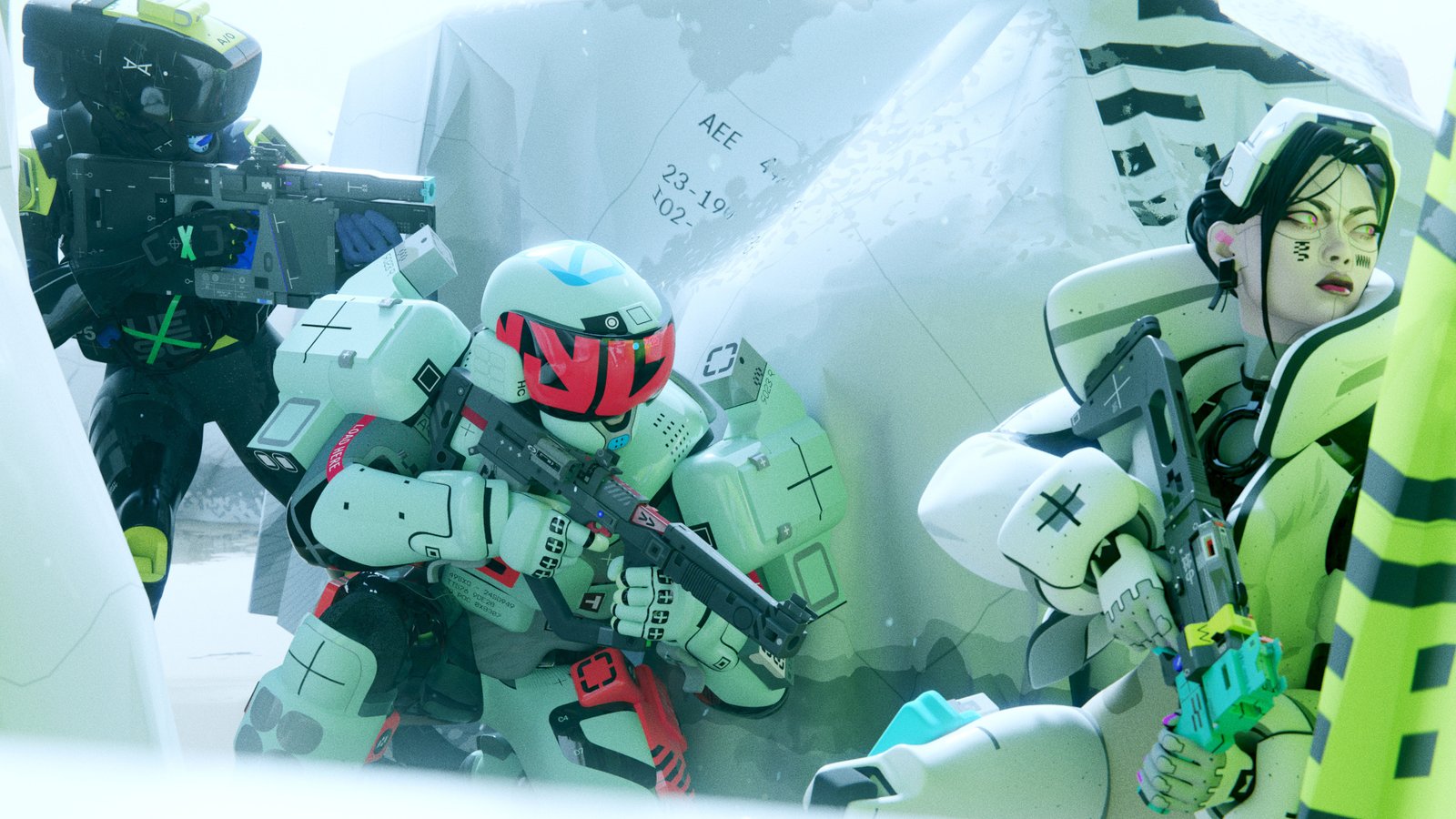
Marathon does not reward hesitation. Bungie’s extraction shooter is built around short, tense matches, frequent player encounters, and meaningful risk every time you deploy. Official starter guidance highlights the importance of ammo discipline, healing, stealth, extraction timing, contracts, and buildcrafting, while broader analysis of the game’s structure shows that Marathon is designed to keep matches focused, fast, and PvP-heavy rather than overloaded with side tasks.
Prepare Before You Deploy
The first lesson for beginners is simple: do not enter a run unprepared. Bungie recommends bringing enough ammo and healing because supplies can become scarce once the match begins. That matters even more in Marathon because matches are compact, objectives can be completed quickly, and player encounters happen often.
Main priorities before a run:
-
Bring sufficient ammunition
-
Carry healing items
-
Avoid entering with a weak or incomplete loadout
-
Know your immediate goal before deployment
Underprepared players are often punished within the first few engagements, especially when multiple threats overlap.
Stealth Is a Core Survival Tool
In Marathon, stealth is not just helpful - it is essential. Bungie’s official tips make it clear that nearly every action creates noise, and noise can attract both enemies and rival players. Movement, looting, opening doors, healing, weapon swapping, and gunfire can all reveal your position.
Key awareness points:
-
Sound gives away your location
-
Environmental hazards can punish careless movement
-
Tick nests, claymores, and poison plants should never be ignored
-
Moving slowly and deliberately often matters more than moving quickly
For beginners, information is one of the most valuable resources in the game.
Learn the Systems Behind Combat
Winning fights in Marathon is not only about reflexes. Bungie points out that many players overlook critical systems early on, including grenades, deployables, alternate weapon functions, and utility tools that can change the outcome of an encounter.
Important combat mechanics to remember:
-
Use the equipment radial for grenades and deployables
-
Some weapons have alternate firing functions
-
Smoke can fully drop UESC aggro
-
Smart Heal automatically uses the most effective healing item
-
Patch Kits and Shield Charges do not exfil with you if unused
That last point is especially important: beginners often make the mistake of hoarding survival tools instead of using them when needed.
Extraction Timing Decides Many Runs
Extraction is where panic often destroys otherwise solid runs. According to Bungie’s guidance, exfils do not simply sit ready from the start. They appear semi-randomly during the match, require time to warm up after activation, and may trigger UESC patrols if guarded.
What new players should understand:
-
Exfils are not always immediately available
-
Activation creates pressure and may attract danger
-
Warm-up takes roughly a minute
-
You do not always need to stand directly in the extraction zone the whole time
A calm player with a plan can survive this phase far more often than a stronger player who reacts emotionally.
Manage Resources With Discipline
Ammo and healing are not items to waste, but they are also not items to hoard blindly. Bungie advises players to watch for Ammo Crates, use melee on weaker enemies when practical, and search the map outskirts for better chances of finding supplies.
Resource discipline means:
-
Spend ammo carefully
-
Use melee when appropriate
-
Search smarter, not longer
-
Avoid unnecessary fights that drain supplies
-
Treat every bullet and heal as part of your long-term survival plan
In Marathon, overcommitting to combat can quickly turn a successful run into a failed one.
Progression Matters as Much as Gunplay
Many new players focus only on firefights, but long-term success also depends on progression systems. Bungie recommends paying close attention to faction upgrade trees, which can improve movement, vault space, and access to better purchasable gear.
Areas worth learning early:
-
Faction upgrade paths
-
Contract requirements
-
Zone-specific objectives
-
Map-based objective tracking
Understanding progression helps players make better strategic choices, both during runs and between them.
Buildcrafting Adds Real Depth
Marathon gives players meaningful customization options through cores, implants, and weapon mods. Bungie notes that these can be swapped freely outside of runs, and weapons can be reviewed at the workbench to better understand mod possibilities.
Important buildcrafting notes:
-
Cores, implants, and mods shape your playstyle
-
Workbench inspection helps with planning
-
Standard-tier gray cores are universally usable
-
Higher-tier cores may require specific shells
This system gives the game strong mechanical depth, but it also means beginners should take time to learn compatibility instead of assuming every upgrade fits every setup.
Marathon Is Designed Around Pressure
One of the reasons all these systems feel so demanding is the game’s overall design philosophy. Broader analysis of Marathon suggests Bungie intentionally stripped away some slower extraction-shooter conventions by using shorter match timers, limiting quest overload, and placing players on smaller maps with frequent contact.
What this means in practice:
-
Matches move quickly
-
PvP pressure stays high
-
There is little room for aimless looting
-
Players are rewarded for focus, speed, and decision-making
This makes Marathon feel less like a slow survival crawl and more like a tactical sprint under constant tension.
The Right Beginner Mindset
The most important takeaway for new players is simple: play with intent, not greed. Do not treat each run as an opportunity to grab everything. Go in with a clear purpose, execute it efficiently, and know when to leave.
A strong beginner approach looks like this:
-
Choose one main objective
-
Stay aware of sound and movement
-
Use healing and utility tools when needed
-
Respect extraction timing
-
Avoid unnecessary risks
-
Leave before greed ruins the run
That is the mindset that turns Marathon from a frustrating first impression into a rewarding tactical experience.